The Weeds We Need
Reflection for July 19, 2026 – Sixteenth Sunday in Ordinary Time
In this Sunday’s Gospel reading, Jesus shares three famous parables: the parable of the weeds in the field, the parable of the mustard seed, and the parable of the leaven in the bread. Find the daily reading here.
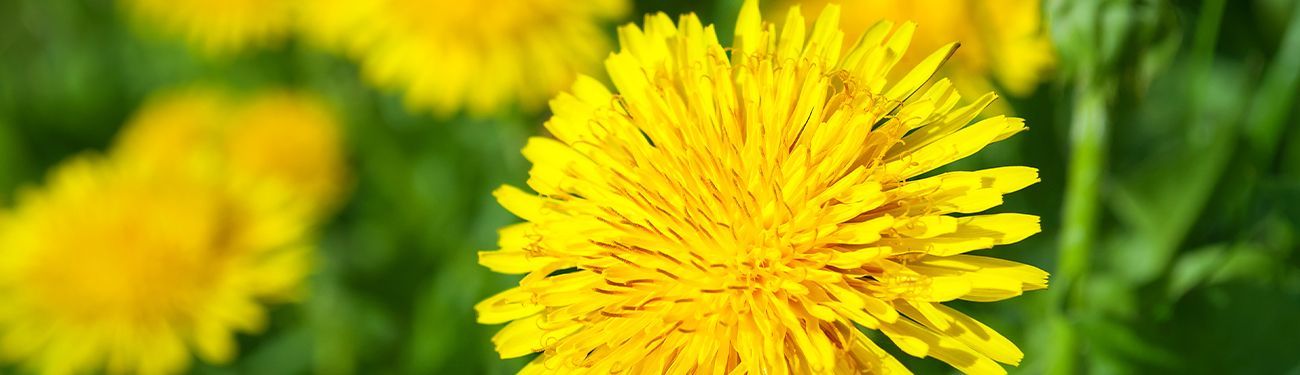
Driving up my street in late spring, you can see which yard is mine from a whole block away: it’s the one covered in dandelions. And I like it that way.
I fear neither my husband’s shame nor the snarky comments of neighbors: I will never apologize for my dandelion-filled yard. “It’s for the pollinators,” I say, but it’s a total lie. I just think it looks lovely. Who doesn’t like a splash of yellow after a long, dreary winter?
People call dandelions “weeds,” but it’s just not true. Weeds are, by definition, any plant growing where it isn’t wanted. A rosebush is a weed, if it’s in the middle of a cornfield. I want my dandelions. Plants that are commonly considered weeds can even have beneficial properties. They attract pollinators, for instance, and they promote nutrient cycling, whereby soil health is improved.
We all have metaphorical “weeds” in the garden of our lives. I certainly do: facets of my personality I loathe, realities of my life I resent, limitations in my abilities I dread— these are my weeds, and their roots run deep, coiling closely around those of the plants I try to cultivate. But if I could rid my garden of any one of these weeds, would it really benefit me? And if I examined them all closely, could I tell them apart — the blessing from the curse, the struggle from the triumph?
One day, it will all become clear: what is the wheat, and what is the weed. We will be put to our ultimate purpose, and we will see ourselves for what we are meant to be.
Until then, we need the weeds. It’s not harvest time yet.
©LPi
Share
You might also like
LPi Blog